Roofing Materials Guide for Woodstock, GA Homeowners
Expert Roofing Materials in Woodstock, GA — Storm-Tested, Warranty-Backed
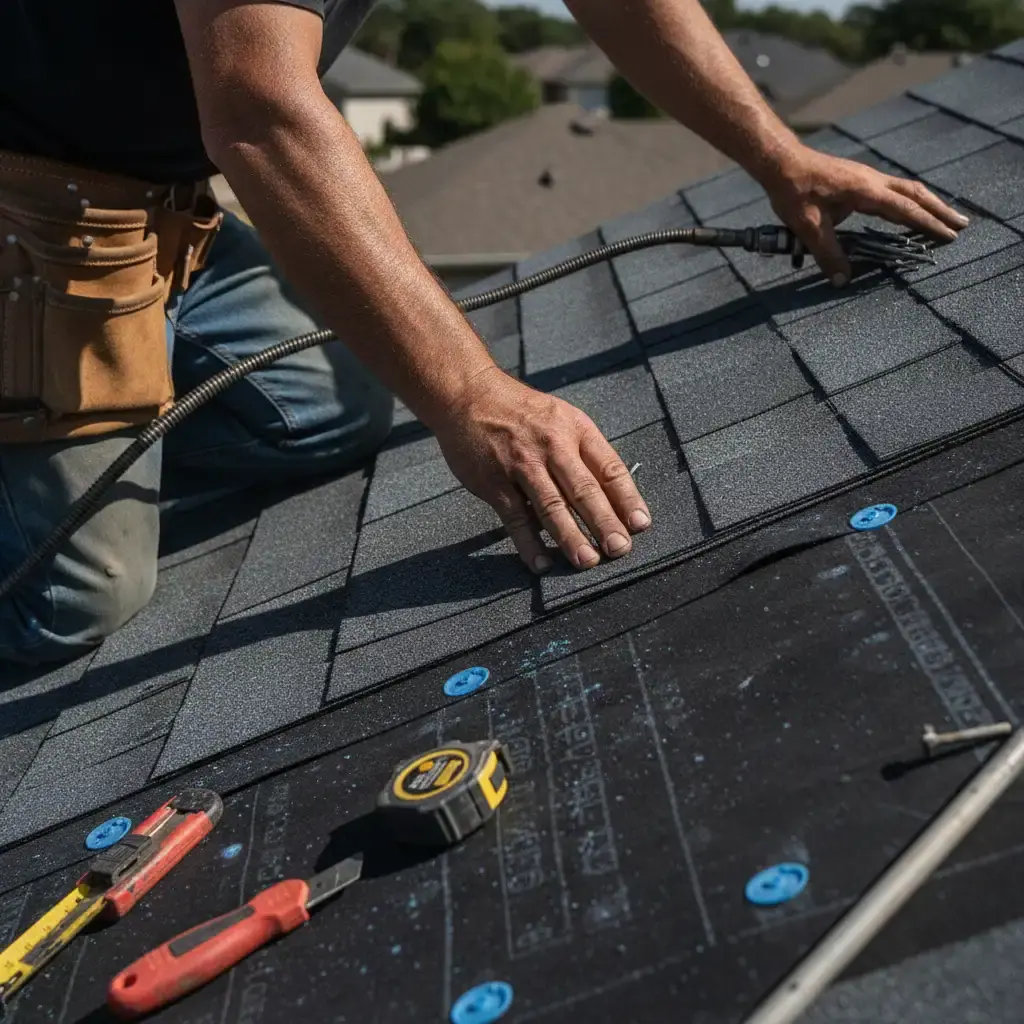
Choosing the right roofing material is one of the most important decisions a Woodstock homeowner can make — and the local climate makes that choice more nuanced than many people realize. Woodstock, GA sits in Cherokee County at the foothills of the Blue Ridge Mountains, exposing homes to a demanding mix of weather conditions year-round. Summers bring intense UV radiation and heat that can accelerate shingle aging and cause premature cracking. Spring and fall deliver heavy rainfall events and occasional severe thunderstorms with high winds. Winters, while mild compared to northern states, still produce freeze-thaw cycles that stress certain roofing materials at the seams and flashings. The region also carries a moderate wildfire risk during dry spells, making fire ratings a meaningful consideration.
Read moreShow less
Woodstock is not coastal, so salt air corrosion is not a primary concern here — but humidity, heat, and storm intensity are very real factors. This guide walks Woodstock homeowners through every major roofing material category, breaking down performance in local conditions, realistic lifespans, cost ranges, and the factors that should drive your final decision.
Understanding Your Roofing Material Options in Woodstock
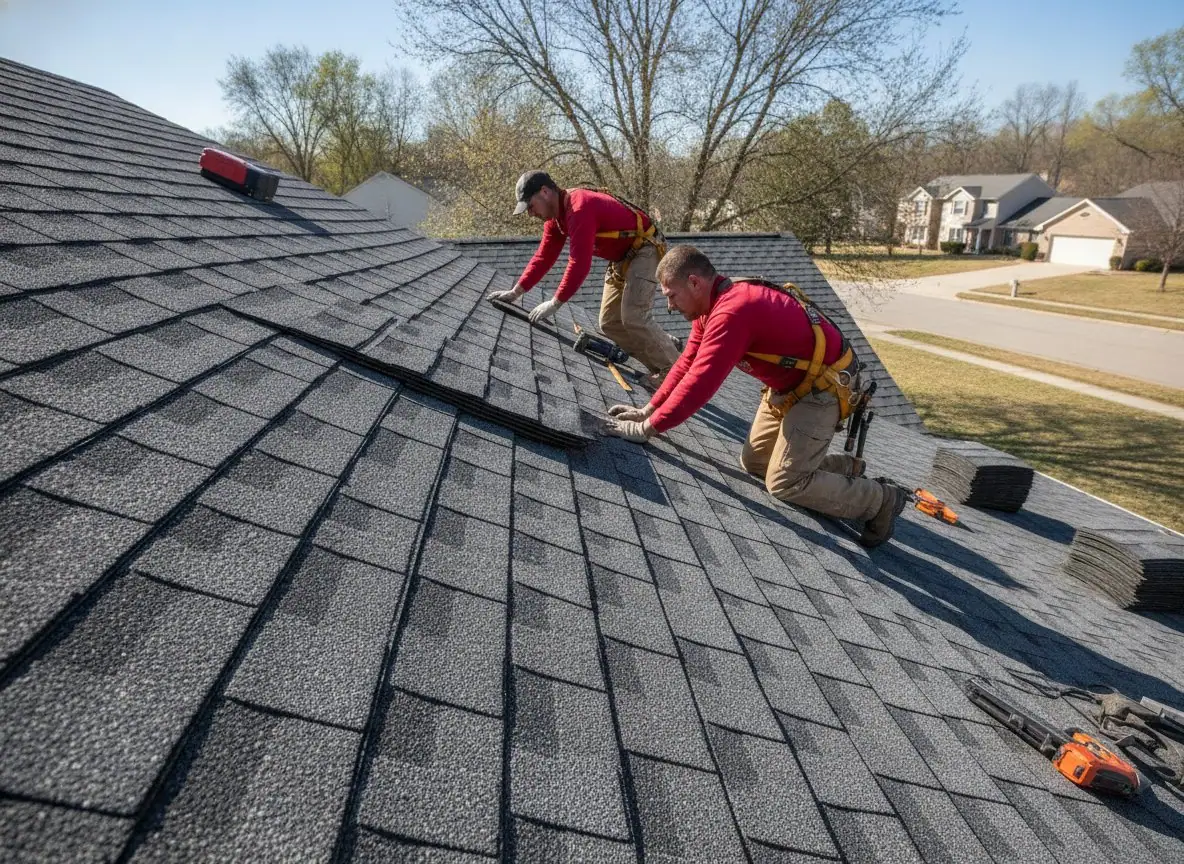
Woodstock homeowners have access to a wide range of roofing materials, each with distinct performance profiles under Georgia’s demanding climate. The six primary categories you will encounter are asphalt shingles (three-tab), architectural or dimensional shingles, metal roofing, concrete or clay tile, flat membrane systems such as TPO, and modified bitumen for low-slope applications.
Most residential roofing in Woodstock and Cherokee County falls under the jurisdiction of the Cherokee County Building and Development Department, which enforces the Georgia State Minimum Standard Codes. These codes specify minimum wind resistance ratings, fire classifications, and installation standards that directly influence which materials are appropriate for your home. Many neighborhoods in the Woodstock area — including established communities around Lake Allatoona and newer planned developments — are governed by HOAs that maintain approved material lists, color palettes, and shingle style restrictions. Before selecting a material, it is essential to verify both your local permit requirements and your HOA’s design guidelines.
Read moreShow less
Beyond code compliance, your roof’s pitch, your home’s architectural style, your long-term budget, and your energy efficiency goals all factor into which material makes the most sense. Understanding the full landscape of options before speaking with a contractor puts you in the strongest position to make a confident, informed decision.
How Woodstock’s Climate Affects Your Roofing Material Choice
Woodstock’s position in the Georgia Piedmont creates a specific set of environmental pressures that should guide every roofing material decision. Here is how local conditions map to your options.
UV Intensity and Heat: Cherokee County averages over 215 sunny days per year, and summer temperatures regularly exceed 90°F. UV radiation is the single biggest accelerator of asphalt shingle degradation. If energy efficiency and longevity in heat are priorities, metal roofing and TPO membranes offer the best reflective performance. Premium architectural shingles with algae-resistant granules are the practical middle-ground choice.
Rainfall and Storms: Woodstock averages approximately 53 inches of rainfall annually, with intense spring and summer thunderstorm activity. Wind resistance ratings matter. Any material installed in Cherokee County should meet or exceed 110 mph wind uplift standards. Metal and high-grade architectural shingles perform best here.
Read moreShow less
Freeze-Thaw Cycles: While mild, Woodstock winters do produce freeze-thaw conditions. Materials with porous surfaces — particularly lower-grade concrete tile — can absorb water and crack. Metal, clay tile, and quality asphalt shingles handle these cycles well.
Fire Risk: Cherokee County sits in a moderate wildland-urban interface zone. Class A fire-rated materials — metal, tile, and Class A-rated architectural shingles — are the safest choices and may positively affect homeowner insurance premiums.
HOA Considerations: Many Woodstock communities restrict materials to pre-approved shingle styles, colors, and profiles. Always confirm HOA guidelines before finalizing your material selection.
Free, no-obligation estimates
Talk to North Cobb Ridge Roofing
Tell us what you need and we’ll take it from there.
Roofing Materials Available in Woodstock, GA
Asphalt Shingles (Three-Tab)
Three-tab asphalt shingles are the most affordable and widely installed roofing material in the United States. They consist of a single flat layer of asphalt-coated fiberglass mat topped with mineral granules. In Woodstock’s climate, three-tab shingles perform adequately but are the most vulnerable to UV degradation, wind uplift, and granule loss from heavy rain events. They are rated for winds up to around 60–70 mph, which can fall short during severe Georgia thunderstorms. Pros include low upfront cost and wide availability. Cons include a shorter lifespan and reduced curb appeal compared to dimensional options. Typical lifespan in Woodstock conditions: 15–20 years. Approximate cost: $80–$120 per square installed.
Architectural / Dimensional Shingles
Architectural shingles are a significant step up from three-tab products. Their laminated, multi-layer construction creates a dimensional appearance that mimics wood shake or slate while delivering substantially better performance. In Woodstock’s climate, architectural shingles resist UV degradation more effectively, carry wind ratings of 110–130 mph on premium lines, and handle the freeze-thaw cycles of Cherokee County winters better due to their added thickness. They are the most popular roofing material in the Woodstock market for good reason. Pros include better aesthetics, longer warranties, and strong storm performance. Cons include higher cost than basic three-tab. Typical lifespan: 25–35 years locally. Approximate cost: $150–$250 per square installed.
Metal Roofing
Metal roofing — including standing seam steel and aluminum panel systems — is a growing choice among Woodstock homeowners seeking long-term durability. Metal excels in Georgia’s climate by reflecting UV radiation to reduce cooling loads, resisting high winds well beyond 130 mph, and shedding heavy rain efficiently without absorbing moisture. It is also Class A fire rated, an important advantage during dry Georgia summers. Aluminum resists rust without salt-air concerns being relevant here. Cons include higher upfront investment and potential noise during heavy rain without proper insulation. Typical lifespan: 40–70 years in Woodstock conditions. Approximate cost: $400–$900 per square installed depending on panel style.
Concrete or Clay Tile
Concrete and clay tile roofing offer exceptional longevity and a distinctive aesthetic well-suited to Mediterranean and Spanish-style homes. In Woodstock, tile performs well in terms of UV resistance and thermal mass, keeping attic spaces cooler. However, Georgia’s occasional freeze-thaw events can cause less-dense concrete tiles to absorb moisture and crack over time, so selecting freeze-rated products is critical. Clay tile is more durable than concrete in this regard. Tile is heavy, requiring structural evaluation before installation. Pros include longevity and timeless appearance. Cons include high cost and structural requirements. Typical lifespan: 40–50 years (concrete), 75–100 years (clay). Approximate cost: $600–$1,200 per square installed.
Flat / TPO Roofing
Thermoplastic Polyolefin (TPO) membrane roofing is the leading choice for flat and low-slope roof sections commonly found on additions, porches, and commercial-style residential builds in the Woodstock area. TPO’s reflective white surface is well-suited to Georgia’s intense summer UV exposure, reducing heat gain and lowering cooling costs. Heat-welded seams create a watertight barrier that handles Woodstock’s heavy rainfall reliably. Pros include energy efficiency, seamless waterproofing, and cost-effectiveness for low-slope applications. Cons include vulnerability to punctures and limited aesthetic options. Typical lifespan: 15–25 years locally. Approximate cost: $300–$600 per square installed.
Modified Bitumen
Modified bitumen is an asphalt-based membrane system engineered specifically for flat and low-slope roofs. It is applied in layers — typically a base sheet and a cap sheet — creating a durable, flexible waterproofing system. In Woodstock’s climate, modified bitumen’s flexibility is an advantage during temperature swings between hot summers and cooler winters, preventing cracking at seams. It handles pooling water better than standard asphalt roll roofing. Pros include durability, ease of repair, and compatibility with existing low-slope structures. Cons include heat absorption on dark-surface installations and the need for professional application. Typical lifespan: 15–20 years in Woodstock conditions. Approximate cost: $250–$450 per square installed.
Why Woodstock Homeowners Trust North Cobb Ridge Roofing for Material Selection
Selecting a roofing material is only as reliable as the expertise behind the recommendation. North Cobb Ridge Roofing brings the local knowledge and professional credentials Woodstock homeowners deserve when making a decision that protects their home for decades.
Expertise Across All Material Types:
Expertise Across All Material Types:Our team installs and evaluates every major roofing material category, giving you unbiased guidance rather than a one-size-fits-all recommendation.
Licensed and Insured in Georgia:
Licensed and Insured in Georgia:We carry full licensing and liability insurance, meeting all Cherokee County and Georgia state contractor requirements for your protection.
Manufacturer-Certified Installer:
Manufacturer-Certified Installer:Our certifications with leading manufacturers allow us to offer extended warranty programs unavailable through uncertified contractors.
Free Material Consultation:
Free Material Consultation:We provide no-pressure, no-cost consultations to help you understand your options before any commitment is made.
Comprehensive Warranty Coverage:
Comprehensive Warranty Coverage:We back our workmanship with installation warranties, paired with manufacturer material warranties, giving you layered protection.
Local Code and HOA Knowledge:
Local Code and HOA Knowledge:We understand Cherokee County building codes and are familiar with HOA requirements across Woodstock’s established and growing communities.
FAQ
Roofing Materials FAQ for Woodstock Homeowners
What is the best roofing material for Woodstock’s climate?
For most Woodstock homeowners, premium architectural shingles with a 130 mph wind rating offer the best balance of performance, cost, and longevity. For maximum durability and energy efficiency, standing seam metal roofing is the top performer in Cherokee County’s heat, UV exposure, and storm conditions. The right answer depends on your budget, home style, and long-term goals.
How do roofing material costs compare in Woodstock?
Three-tab asphalt shingles are the most affordable at roughly $80–$120 per square installed. Architectural shingles run $150–$250 per square. Metal roofing ranges from $400–$900 per square. Tile options fall between $600–$1,200 per square. Flat membrane systems like TPO cost $300–$600 per square. These are estimates — final pricing depends on roof complexity, pitch, and material specifications.
How long will different roofing materials last in Woodstock?
In Woodstock’s climate, three-tab shingles typically last 15–20 years. Architectural shingles perform for 25–35 years. Metal roofs routinely last 40–70 years. Concrete tile averages 40–50 years while clay tile can last 75–100 years with proper maintenance. Flat TPO and modified bitumen systems typically deliver 15–25 years of reliable service.
Do Woodstock HOAs restrict which roofing materials I can use?
Many HOA communities in Woodstock maintain approved material lists and color palettes. Restrictions commonly limit choices to specific shingle profiles, prohibit metal roofing in certain communities, or mandate particular color ranges that complement neighborhood aesthetics. Always request your HOA’s current architectural guidelines before selecting a material or signing a contract with a roofing contractor.
Which roofing materials are most energy-efficient for Georgia summers?
Metal roofing with reflective finishes and TPO membranes on flat roofs offer the highest solar reflectance, meaningfully reducing attic heat gain and cooling costs. Architectural shingles with cool-roof granule technology are a more affordable energy-efficient option. Clay and concrete tile also provide thermal mass benefits. Energy Star-rated products are available across several material categories.
What fire ratings should Woodstock homeowners look for?
Class A is the highest fire resistance rating under ASTM E108 testing and is the recommended standard for Woodstock homes given the region’s moderate wildland-urban interface risk. Metal roofing, clay and concrete tile, and Class A-rated asphalt shingles all meet this standard. Some insurance carriers offer premium discounts for Class A-rated roofing systems, so it is worth checking with your provider.
Can I install a new roofing material over my existing shingles in Georgia?
Georgia building codes generally permit one layer of new shingles over an existing layer under certain conditions, but this practice is not always recommended. A second layer traps heat, can void manufacturer warranties, and conceals potential deck damage that should be addressed. A full tear-off and inspection typically produces a better long-term result and is required before installing metal, tile, or flat membrane systems.
How does roof pitch affect which materials I can use?
Roof pitch directly limits material options. Asphalt shingles require a minimum 2:12 pitch. Metal panels can often be installed on slopes as low as 1:12 with proper underlayment. Tile roofing typically requires a 4:12 pitch or steeper. Flat membrane systems like TPO and modified bitumen are designed specifically for pitches below 2:12. Your contractor should evaluate your roof geometry before recommending any material.
Get Expert Roofing Material Advice in Woodstock
Choosing the right roofing material for your Woodstock home does not have to be overwhelming. North Cobb Ridge Roofing offers free, no-obligation material consultations to help you evaluate every option based on your home’s specific conditions, your budget, and the realities of Cherokee County’s climate. Our team will walk you through the performance differences, cost implications, warranty options, and any HOA or code requirements that apply to your property.
Call us today at (770) 525-6540 to schedule your free consultation. We serve Woodstock and the surrounding Cherokee County communities with honest, expert guidance so you can invest in a roof that performs for decades to come.
Why choose us
Why choose North Cobb Ridge Roofing?
Free estimates
Get a clear, no-obligation estimate before any work begins.
Licensed & insured
Your property and our crew are protected on every project.
Residential & commercial
One team for homes, multi-family and commercial properties.
Locally owned & operated
A local team serving your community and the surrounding area.
Get in touch
Find roofing help near you
Request a free estimate online or give us a call — our team will follow up quickly.
- Call us(770) 525-6540
- Visit8720 Main St ste #160, Woodstock, GA 30188
- HoursMon- Sun: 7 AM- 7PM